Event: EuroTier 2026
Dates: 10-13 November 2026
Venue: Hannover Exhibition Centre, Messegelände, 30521 Hannover, Germany
Booth: 17C45, Hall 17
Picture your morning in Hall 17. You sit in on the DLG Expert Stage for pigs or poultry, or walk the emission reduction spotlight, which asks how animal husbandry and environmental protection can go together. Good sessions. And then a question comes up that is easy to put off: what happens to the manure once it leaves the house? That is the part Bolong works on, and our booth is in the same hall.
According to DLG, Hall 17 hosts the “Emission Reduction” spotlight and the two DLG Expert Stages for pig and poultry, covering welfare, hygiene, emissions, and social acceptance.
If your neighbors can smell it, it counts. A house can meet every target inside and still draw complaints from outside if the manure next to it smells. An aerobic fermentation tank is enclosed, and its exhaust passes through a deodorizing system that uses ammonia water absorption, an activated carbon filter, and odor-removing microorganisms.
Where hygiene questions end up. Manure is where they land. The Organic Waste Compost System delivers a 4-log reduction of pathogens in manure.
From cost line to income. Organic waste becomes organic fertilizer in about 7 days on average, so manure can become a revenue stream instead of a cost that grows with the herd or flock. It does not remove nutrients, so plan early where the fertilizer will go.
Bolong will present two products.
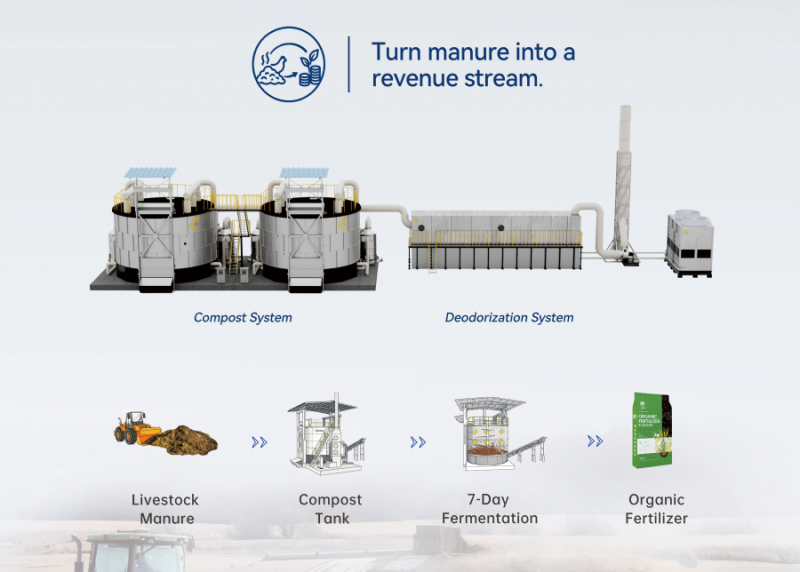
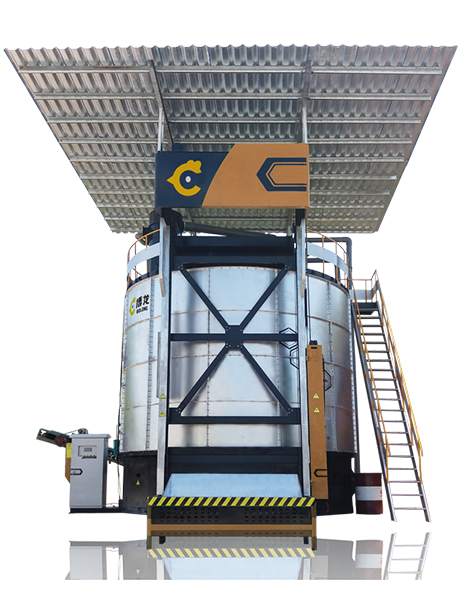
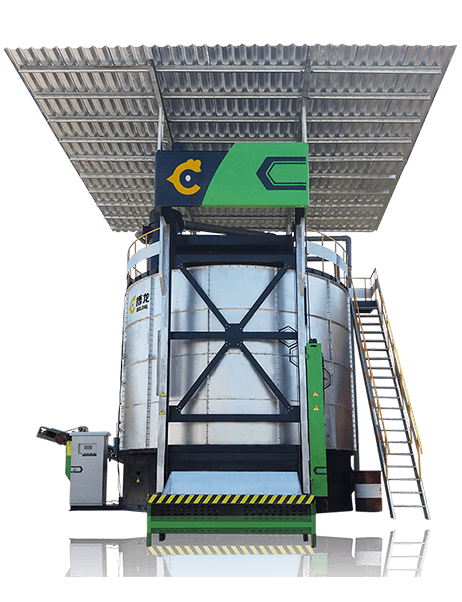
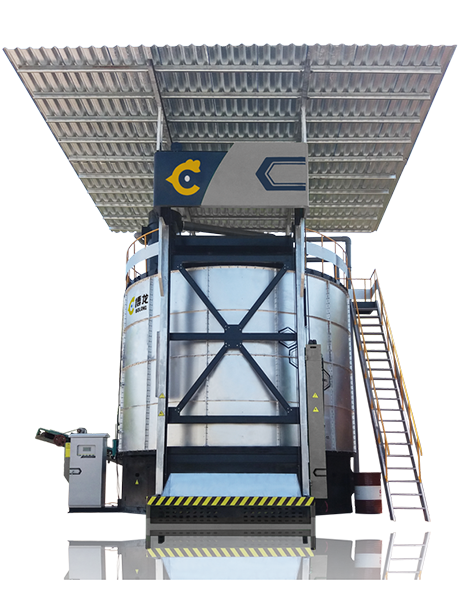
Organic Waste Compost System. Compost tanks paired with a deodorization system that treats the exhaust. It turns manure into a revenue stream, delivers a 4-log reduction of pathogens in manure, and runs on low energy consumption. It treats chicken, pig, and cattle manure alike.
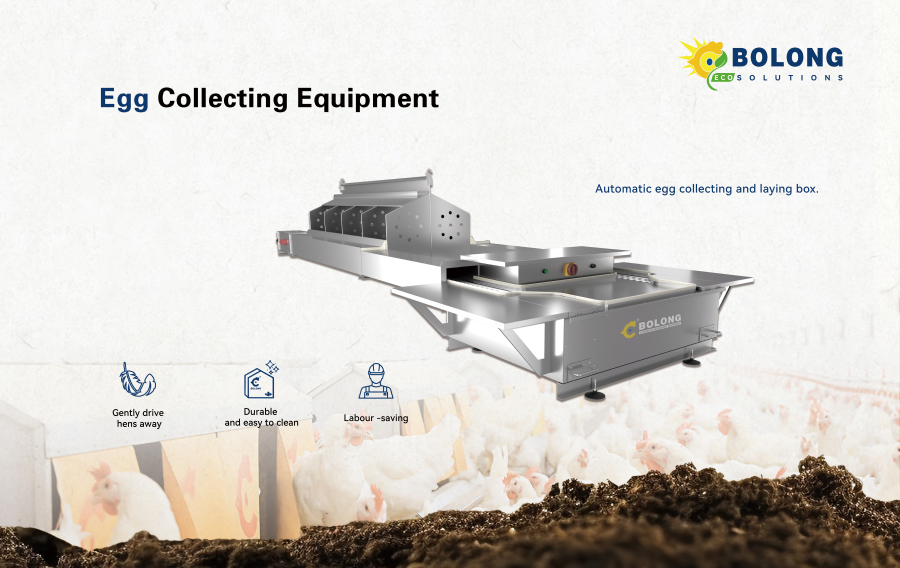
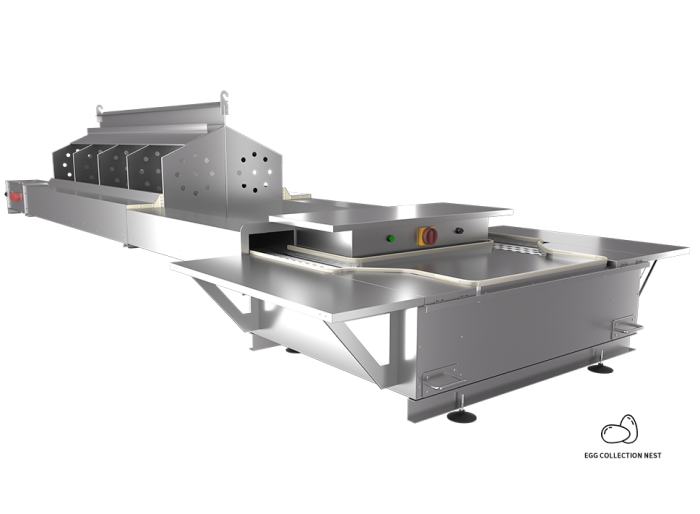
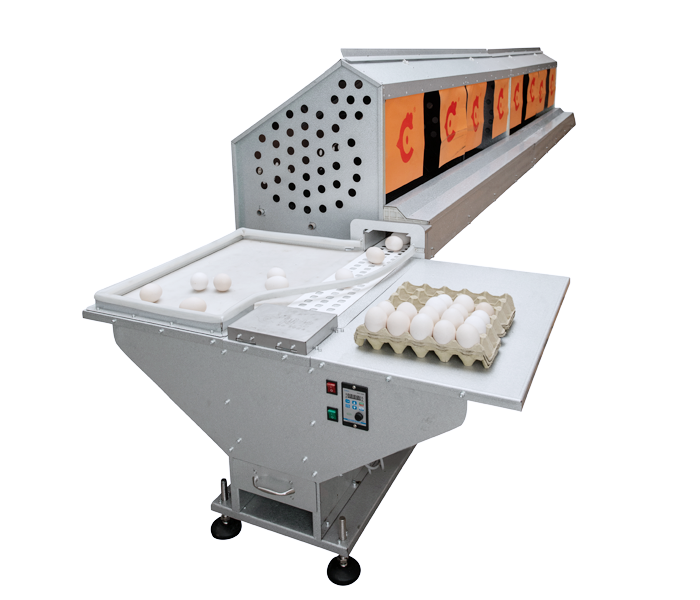
Egg Collecting Equipment. An automatic egg collecting and laying box for layer and breeder houses. It drives hens away gently, is durable and easy to clean, and saves labor, which connects directly to the welfare and hygiene topics on the poultry stage.
You do not need a file. Tell us which animals you keep, your approximate daily manure volume, its moisture level, and the climate at your site. Manure at 65% moisture or below generally suits an aerobic fermentation tank, and if your animals are on liquid slurry, bring the question of what happens to the solid fraction after separation. If winter is your worry, tell us the lowest temperature your site sees: the tank reuses the heat from its own exhaust air and operates in regions with very low temperatures.
Pick your talks in the Hall 17 program, then walk over whenever it suits you. You do not need an appointment. If you would like a set time, send a short message through the Get a Quote page on this website: where your farm is, what animals you keep, and the question you want to talk about. We will reply with a time, and have the right people there when you arrive.
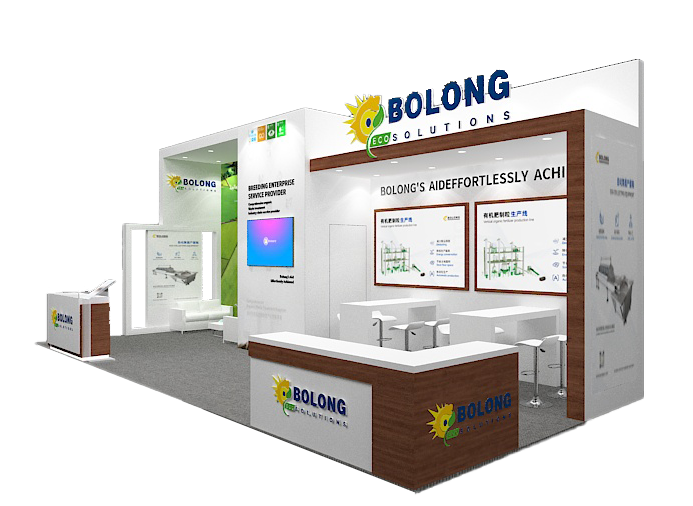
10-13 November 2026, Hall 17, Booth 17C45. We look forward to hearing what you are working on.












 Consultation


