In commercial poultry farming, egg collection systems are often considered 'ancillary equipment'. However, in practice, they directly impact egg breakage rates, labour input and the overall production rhythm. As farms grow in size, choosing the wrong egg collection system can lead to persistent problems from day one, including high breakage rates, escalating labour costs, frequent equipment downtime and disruptions to subsequent grading and packaging processes.
Therefore, commercial poultry farms must answer one key question during the planning phase: What kind of egg collection system truly aligns with their farming model ?
Of all the selection factors, the farming model is the most fundamental, yet it is often overlooked.
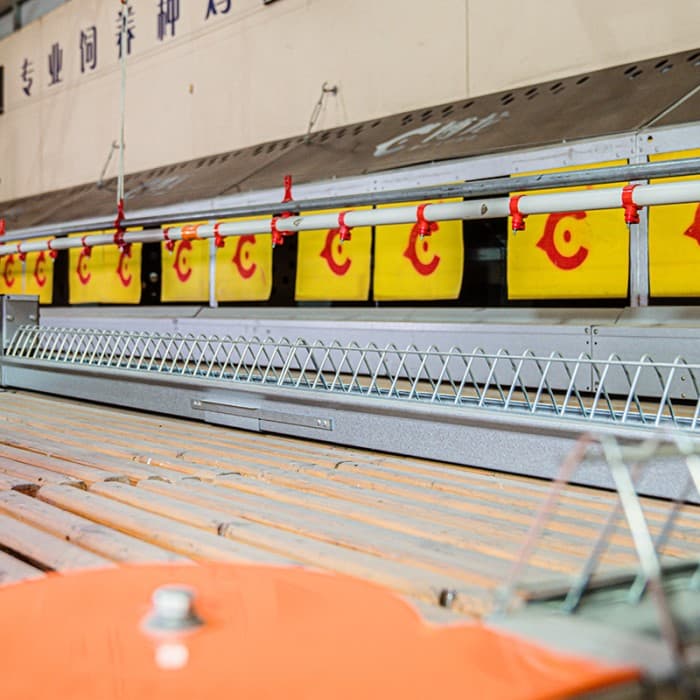
Compared to cage systems, eggs from floor and free-range systems are produced from more dispersed locations and vary in condition, so greater flexibility and impact resistance are required. In such scenarios, egg collection systems must reduce conveying speeds, minimise drop heights and incorporate superior cushioning structures. Failure to do so exacerbates breakage and contamination issues.
In practice, flat-bed farms often require solutions that combine zoned egg collection with low-speed conveyance rather than simply replicating cage-based collection equipment.
When selecting equipment, many farms prioritise whether it is 'functional', underestimating the impact of automation on long-term operations.
One-button operation reduces reliance on manual expertise.
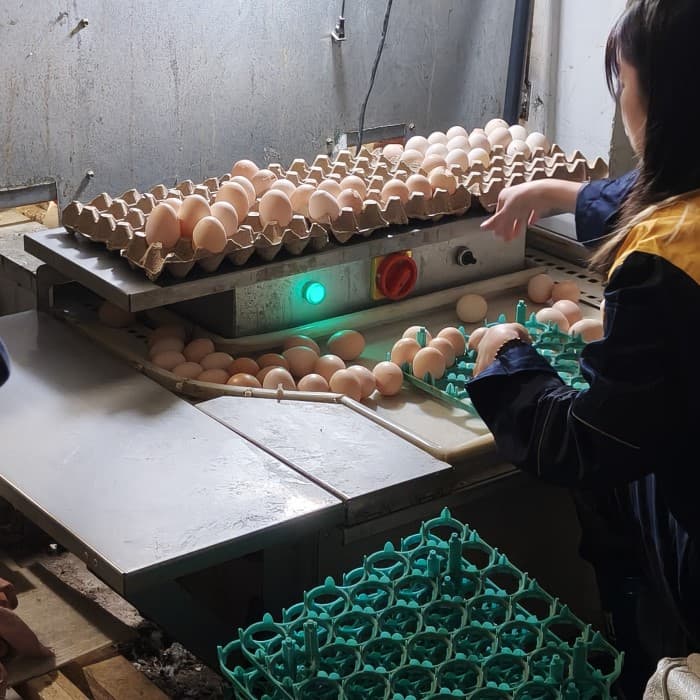
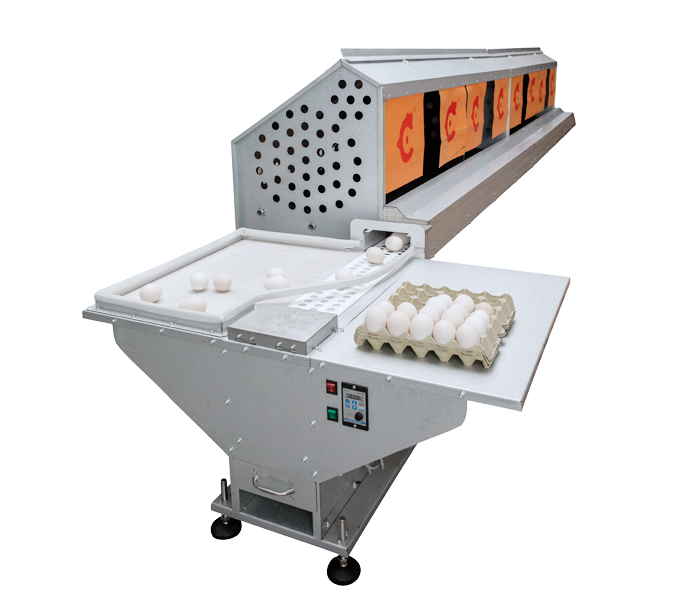
In labour-intensive egg collection systems, performance depends heavily on the experience and diligence of operators. High personnel turnover significantly compromises system stability. Automated egg collectors with a one-button start/stop function and preset programmes standardise operational logic, eliminating human-induced variability.
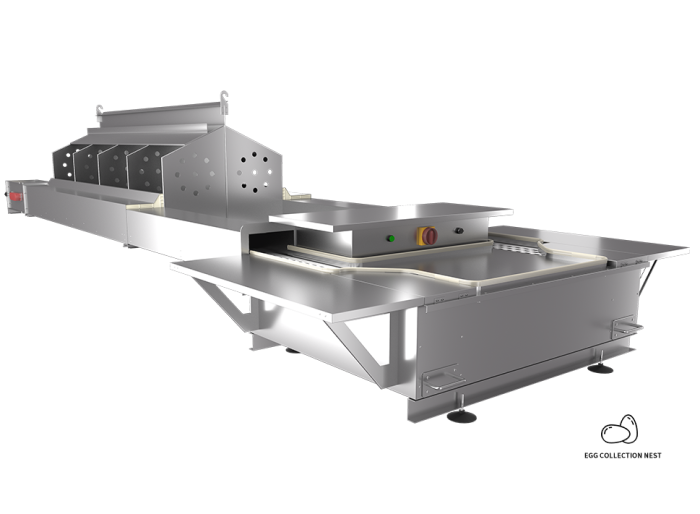
Since its inception, Bolong automated egg collection system has prioritised automation as a core function, transforming the process from 'human supervision' to 'system-controlled operation'.
Breakage rates are often the most direct metric for evaluating egg collection systems, yet many farms underestimate the hidden costs of broken eggs.
Not only does a broken egg represent a direct loss, it also increases the risk of cleaning, rework and quality fluctuations, ultimately impacting overall shipping efficiency.
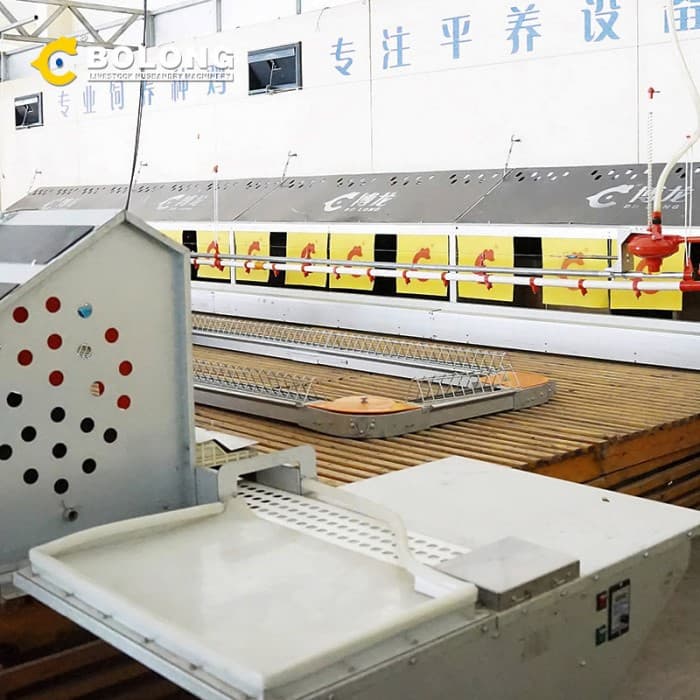
The Bolong Egg Collection System is designed to optimise high-risk areas such as conveyor belts and transport processes. By combining buffer structures with stable conveying speeds, force impacts on eggs during transport are minimised. Compared to solutions that focus solely on speed, this 'steady-state conveying' approach is better suited to long-term operation on commercial poultry farms.
The question for commercial poultry farms is not whether or not to have an egg collection system, but rather whether or not the system is compatible with the farming model and capable of stable, long-term operation.
Without adding to the management load, a well-designed automated egg collection system can drastically lower breakage rates and labor dependency while offering a solid basis for future growth. Bolong automated egg collection system, which was created specifically to meet the practical requirements of large-scale commercial poultry operations, turns egg collection from a cost center into a true efficiency tool.
Bolong egg collection system is definitely the best option if you are planning to expand or modernize your chicken farm.












 Consultation


