In many agricultural areas, farmers are often faced with the practical question of whether to continue using raw or dried chicken manure because of its lower initial cost or to consider investing in professionally processed organic fertilizer.
A common misconception is that “dried chicken manure” is the same as “fermented organic fertilizer”. Actually these two are quite different in terms of safety, stability and efficacy. Relying on poorly treated manure over time can lead to soil imbalance, crop health problems, and environmental risks.
Drying chicken manure is often seen as a simple and low-cost method. But drying per se may not fully address a number of underlying issues without a controlled fermentation process.
For example, dried manure can still have:
Salmonella or E. coli, pathogens and parasites that can lie dormant but are never completely eliminated
Germinating weed seeds that can germinate after application and increase field management costs
Residual ammonia nitrogen which can be re-released in the presence of moisture, potentially affecting root systems and contributing to odor or emissions
Dried manure may behave differently in practice depending on soil moisture and environmental conditions making it less predictable in performance.
As agricultural operations scale up and environmental standards evolve, many producers are exploring more controlled and efficient manure management methods.
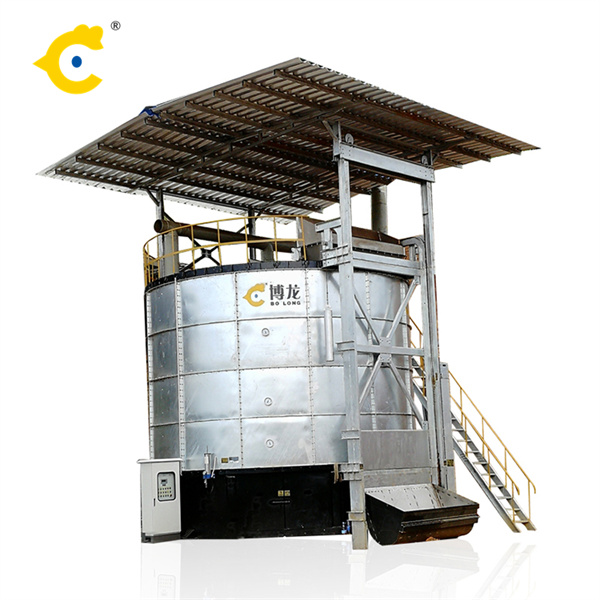
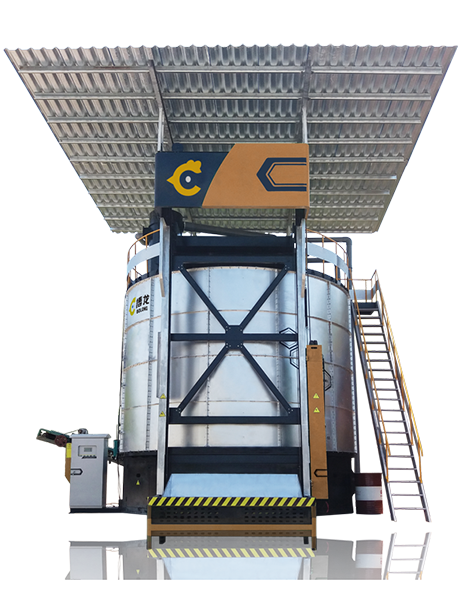
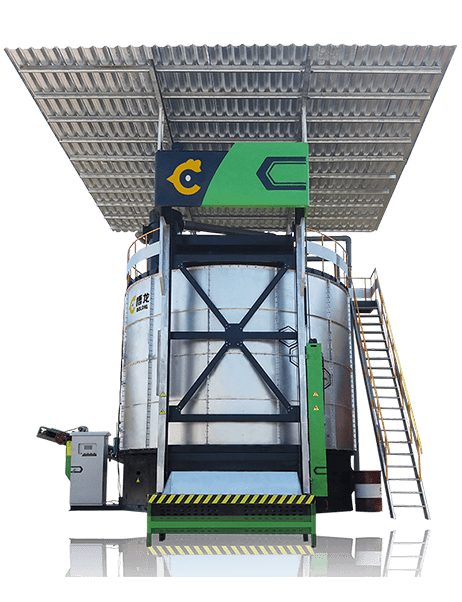
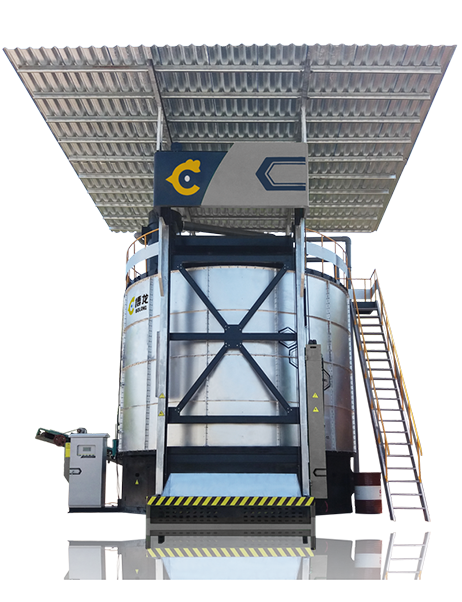
Technologies such as the Bolong vertical chicken manure fermentation tank apply high temperature aerobic fermentation to stabilize organic waste through a process often referred to as bio-stabilization.
The vertical chicken manure fermentation tank is a controlled environment, with key parameters such as temperature, oxygen and moisture regulated, as opposed to natural drying.
For example:
Time at elevated temperatures (usually 60°C-75°C) can significantly reduce pathogens and weed seeds
Odor control systems can help to reduce unpleasant odors and pest-related problems;
It is more consistent and scalable and typically takes about 7 days depending on operating conditions and material composition.
On the surface, raw or dried manure can appear to be more economical, as it is cheaper to buy. But considering long-term use, there are several other factors that can affect the overall cost:
Soil condition: Imbalanced or inconsistent inputs may lead to soil imbalance over time
Labor requirements: Handling and application of bulk raw manure can be labor intensive;
Environmental considerations: more focus on emissions and waste management practices;
Alternatively, a fermentation-based approach offers farms the chance to transition gradually towards more standardized and efficient nutrient management.
Farmers are not only treating waste with systems like the Bolong rapid chicken manure fermentation tank, but also producing a more stable product of organic fertilizer. Once established, it is often possible to maintain microbial activity in the system, reducing the need for repeat inputs and allowing continuous operation.
Turning raw materials into good organic fertilizer is not just a matter of drying. Controlled fermentation is a way to increase uniformity, reduce risk, and become more compatible with modern agricultural practices.
More farms are learning how to treat manure as a resource--something to be processed and reused, rather than just waste.
Dried chicken manure and fermented organic fertilizer have different functions in agricultural production. By understanding this difference, farmers can make better-informed decisions that align with their operational goals, soil conditions, and long-term sustainability plans.
Controlled processing---chicken manure fermentation tank, rather than just drying, may be a more reliable way to improve fertilizer quality and the overall farm performance.












 Consultation


