A poultry house is cleared, and the material in the trailer is not pure manure. It contains the sawdust, straw or wood shavings that were on the floor with the birds. The farm’s immediate question is simple: must the bedding be separated before the load can enter a fermentation tank?
Usually, the answer depends on the mixture, not on whether bedding is present at all. Bolong’s livestock composting tank is designed to process suitable animal manure through enclosed aerobic fermentation. Manure collected with bedding can be assessed as one incoming material. Its moisture, texture and bedding proportion determine whether it is ready to load or needs preparation first.
Manure from a layer house may be collected with relatively little bedding. Material cleared from a floor-reared flock can contain substantial litter. Even within one house, the load may vary: dry, loose material from one area and dense, wet material from another.
Separating every piece of bedding from manure is not the starting point. Straw, sawdust and wood shavings are organic materials, and bedding is commonly part of poultry litter. What matters is whether the combined material can be fed and aerated effectively. Poultry extension guidance notes that bedding can add structure and absorb moisture, while the balance of manure and bedding affects composting conditions.University of Georgia poultry litter guidance
For Bolong’s livestock composting tank, manure remains the main feedstock. Bedding that arrives with it is part of the material assessment. A trailer dominated by long straw or coarse wood pieces is a different proposition from manure containing a moderate amount of fine bedding. Bolong can review the farm’s actual mix before recommending how it should be loaded.
“Contains sawdust” does not tell an operator enough. Sawdust may absorb moisture from wet manure; a large amount of very dry sawdust may also change the mixture considerably. Straw can add structure, but long strands may affect how material moves through loading equipment.
The practical question is whether the load behaves as a reasonably consistent feed. If a trailer contains a wet, compacted layer beneath drinkers and a much drier layer of bedding above it, feeding the two sections as though they were identical can make operation less predictable.
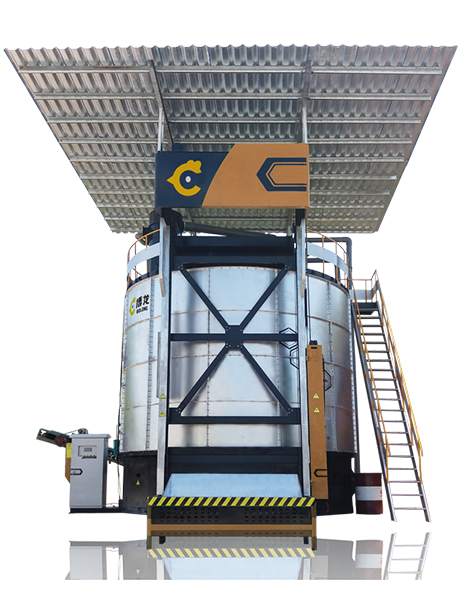
Bolong’s livestock composting tank uses mixing and forced ventilation inside a vertical, enclosed vessel. These systems support aerobic fermentation after suitable material enters the tank; Reviewing moisture and texture beforehand helps the equipment do the job it was built to do.
This need not turn every cleanout into a complicated sorting project. The farm may be able to handle its routinely collected manure and bedding together. If a particular load is unusually wet, bedding-heavy or coarse, Bolong can advise whether it should be mixed, adjusted or prepared differently before feeding.
A useful distinction is between bedding already mixed through the manure and a separate pile of bedding added simply because the farm wants to dispose of it. The first may be a suitable poultry litter feed after assessment. The second changes the feed mixture and should be considered separately.
Moisture is one reason. Wet manure may benefit from a suitable dry material, while an overly dry, bedding-heavy mixture may not ferment in the same way as the farm’s normal manure stream. Bedding also changes the carbon-to-nitrogen balance. Agricultural extension sources describe straw, sawdust and wood shavings as carbon-rich materials, but their properties differ; no single addition rate suits every load.University of California Agriculture and Natural Resources feedstock guide
The size and condition of the material matter as well. Long, tangled straw, large wood pieces or foreign objects should not be assumed suitable simply because they are “organic.” The loading arrangement and selected tank model need a feed mixture that can enter and move through the system as intended.
A Bolong livestock composting tank can handle more than clean manure alone, but its application should be based on the material actually leaving the poultry house. That is more useful than a broad list claiming that every type of straw, sawdust and wood waste can be tipped into the hopper without preparation.
Bolong starts with the farm’s collection method. Is manure removed regularly from several houses, or does a floor-reared flock produce a concentrated cleanout load? Is bedding already evenly mixed with manure, or does it arrive in separate layers? Those differences affect how material reaches the tank.
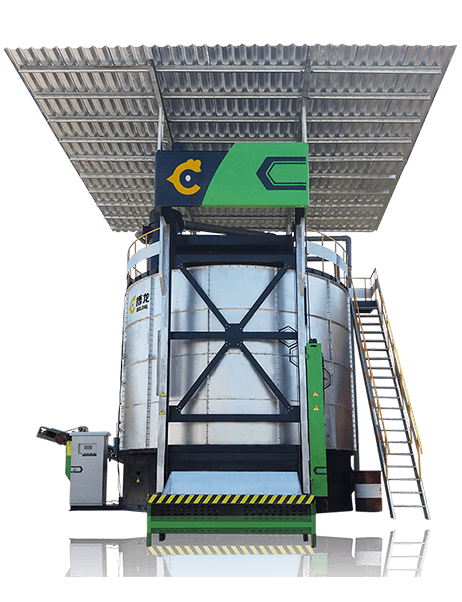
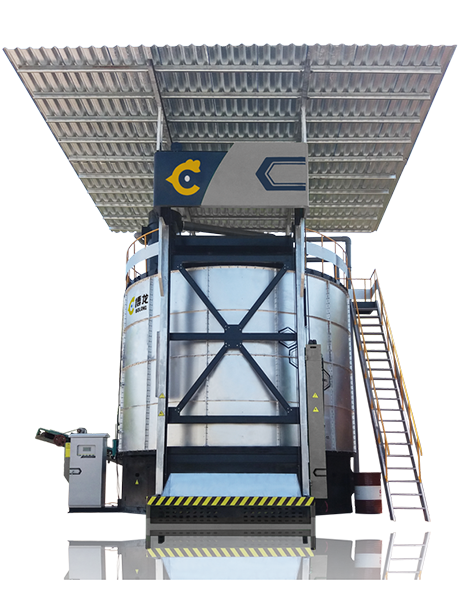
The team can then recommend a suitable fixed tank model and discuss any preparation needed before loading. The vessel itself provides an enclosed fermentation environment. Mechanical mixing moves the material, ventilation supplies air, and the processed material leaves as a solid output intended for organic fertilizer use. Bolong’s farm waste management product page shows the tank structure and operating route.
At first startup, the initial load needs approximately 7–10 days before discharge begins. Once the system reaches normal operation, suitable prepared material can be added and processed material discharged each day. Daily discharge does not mean that bedding and manure loaded today finish fermenting tomorrow.
For a farm choosing a livestock composting tank, this means the feeding plan must work for more than one ideal trailer load. It should account for the manure and bedding mix the crew collects on an ordinary day, as well as the wetter or bedding-heavy loads that sometimes appear during cleanout.
1、Must sawdust or straw be removed from poultry manure before loading?
Not automatically. Bedding already mixed with manure can be assessed as part of the feed. Its amount, moisture and physical condition determine whether preparation is needed.
2、Can I add extra bedding to absorb wet manure?
Possibly, but the material and amount should suit the actual manure. Bolong can advise on a practical mixture rather than applying one fixed recipe to every farm.
3、Can a livestock composting tank process a load made mostly of wood chips?
Do not assume that a coarse, wood-dominated load will behave like manure mixed with poultry bedding. Bolong should assess that material and the proposed feeding method before it is included in the project.
If your trailers carry manure mixed with sawdust, straw or wood shavings, contact Bolong about a livestock composting tank. Bolong can assess the mixture, recommend any preparation needed and show how it would enter the selected tank during normal collection or flock cleanout.












 Consultation


