As large-scale livestock farming continues to grow, manure composting machines have slowly become one of the most important pieces of equipment on livestock farms. Old-fashioned composting methods, which relied on manual labor and experience, can no longer meet the needs of environmental regulations, processing efficiency, and stable operation all at once.
As we move into 2026, the combination of high-temperature aerobic fermentation processes with smart control systems is moving fermentation equipment from just "processing" waste to being able to "controllable operation." This is not only an upgrade to the equipment for livestock businesses, but it also means a shift from managing based on experience to managing based on data.
In the past, the main goal of manure treatment was to "get rid of" waste. Now, the main goal is to "consistently meet standards."
Environmental rules have made the standards for the fermentation process clearer, such as:
The temperature must stay within a certain range, which is usually above 55°C.
Duration must meet requirements for safe disposal
Odor and environmental standards must be met by emissions.
As livestock farming grows, on the other hand, treating manure has become an important factor that affects production rhythms. Any instability in treatment can cause buildup, bad smells, and even risks to the environment.
So, the main function of equipment is no longer just to work; it is now to work steadily over time.
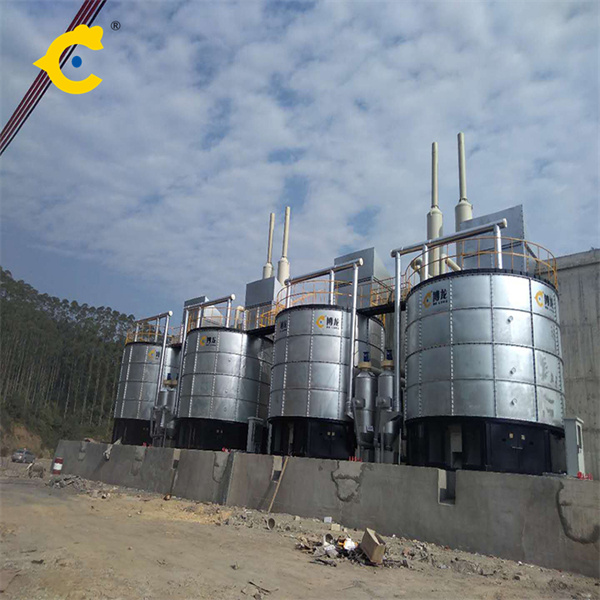
The focus of current mainstream equipment upgrades is very clear: making the fermentation process “controllable.”
Taking intelligent manure composting machines as an example, their key capabilities are reflected in:
Temperature Control System: Maintains fermentation temperature consistently within the 55–75°C range
Automatic Aeration System: Adjusts oxygen supply based on fermentation status to maintain an aerobic environment
Continuous Agitation Mechanism: Prevents localized clumping or uneven fermentation
Operational Data Monitoring: Provides real-time insight into equipment status and fermentation progress
Continuous Processing Capacity: Supports continuous feed input, aligning with the pace of large-scale farming
Compared to traditional methods, the biggest change in this model is that the outcome no longer relies on experience but is controlled by the system.
Many farms are not incapable of composting; rather, they struggle to achieve “stability.”
From a practical perspective, the gap between traditional methods and manure composting machines is primarily reflected in three key areas:
Traditional composting is prone to:
High surface temperatures but substandard internal temperatures
Insufficient duration of high temperatures
Inconsistent results across batches
In contrast, the manure composting machine can:
Maintain a stable temperature of 60°C or higher during continuous operation
Ensure uniform heating of the entire material
Provide a controllable fermentation process
Traditional Composting:
Open environment; odors diffuse directly
Prone to complaints or regulatory issues
Manure Composting Machine:
Sealed fermentation structure: Reduces overflow at the source
High-temperature fermentation process: Reduces odor generation
Multi-stage deodorization system: Centralized treatment of exhaust gases
Issues with Traditional Methods:
Accumulation of manure leads to prolonged processing cycles
Prone to creating a “vicious cycle of increasing piles”
Whereas the Manure Composting Machine Can:
Shorten the fermentation cycle to approximately 7 days
Support continuous feeding and continuous operation
Make it easier to achieve “daily production and daily clearance”
The development of manure composting machines fundamentally addresses one key issue:
How to shift manure treatment from relying on experience to relying on a systematic approach
When the fermentation process can be stably controlled, operated continuously, and produce predictable results, the operational risks for livestock farms are significantly reduced.
If you are considering upgrading your manure treatment methods or evaluating manure composting machine solutions for different scales, click here to contact us and learn more.












 Consultation


