Not all composted chicken manure is the same. Some is genuinely fermented and safe to apply. Some is just partially decomposed, still carrying pathogens and unstable nitrogen. The difference comes down to one thing: the equipment that produced it.
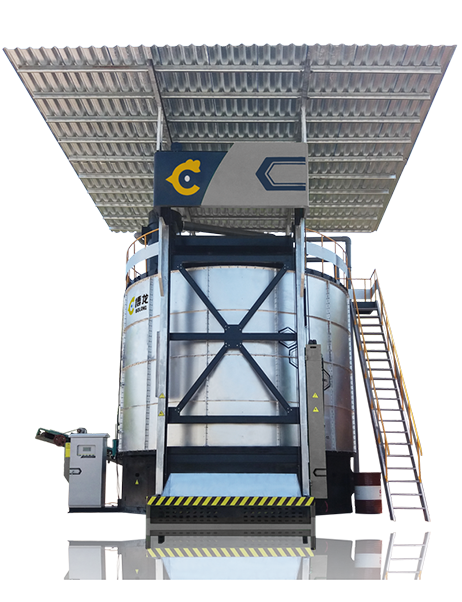
Properly fermented chicken manure is not an accident. It is the output of a properly designed fermentation tank running a complete, controlled cycle. This article explains how Bolong's enclosed fermentation tank ensures every batch meets quality standards--and what to look for when choosing equipment for your farm.
"Fermented" is a word that gets used loosely. In the composting world, properly fermented chicken manure is manure that has gone through a complete aerobic fermentation cycle--typically 7-10 days in a sealed tank at 55°C or higher--until the organic matter is stable, pathogens are killed, and the nitrogen is bound in forms that won't volatilize.
A standard open compost pile cannot guarantee this. Surface heat loss, cold spots, weather disruption, and inconsistent turning all create incomplete fermentation. The result is fermented chicken manure that looks acceptable on the surface but behaves very differently in the field.
Bolong's enclosed fermentation tank is designed specifically to eliminate these variables.
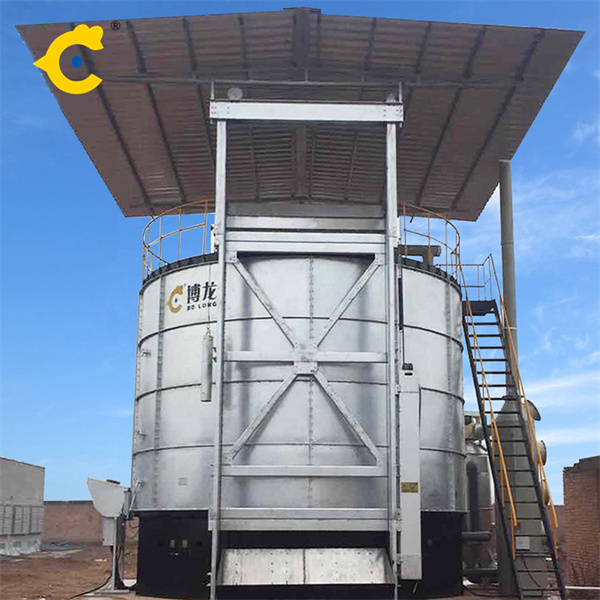
Bolong's fermented chicken manure is produced through a controlled, repeatable process inside a sealed, insulated vessel. Manure is loaded into the tank, mixed by an internal auger system, and aerated by forced ventilation. Within 24–48 hours, internal temperatures climb to 55°C and stay there for 5-7 days -- the standard required to kill pathogens, parasites, and weed seeds.
The entire process is sealed. No leachate escapes, no rainwater enters, and exhaust air passes through a deodorization system before release. By day 7-10, the fermented chicken manure is discharged from the tank, ready for bagging, sale, or field application.
The output of Bolong's fermentation tank is verified by third-party testing on every key parameter:
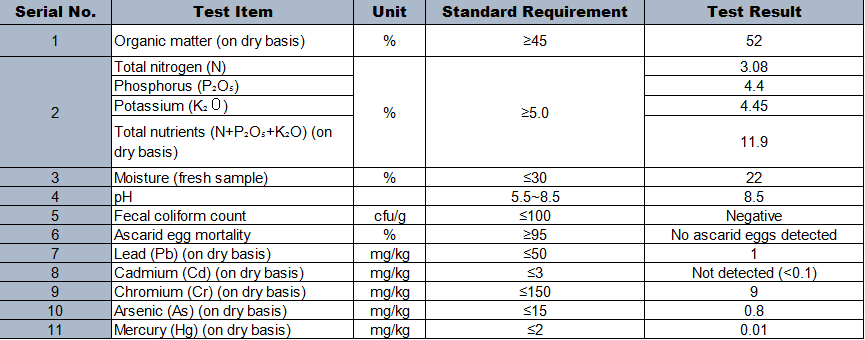
This is what fermented chicken manure from a properly operated tank looks like on paper. If a supplier cannot provide third-party test data, the fermentation was likely incomplete.
Even with test data, there are three field indicators that tell you the fermented chicken manure is genuinely ready:
Stable temperature. Properly fermented chicken manure should not heat up again after discharge. If the pile warms up within a few days of being moved to storage, fermentation was incomplete.
No ammonia smell. Fresh chicken manure smells strongly of ammonia. Properly fermented chicken manure has an earthy, soil-like smell.
Uniform texture. Properly fermented chicken manure is dark brown, crumbly, and uniform throughout. Visible bedding material or undigested feed indicates incomplete fermentation.
Bolong fermentation tank uses an auger-based mixing system designed to eliminate these inconsistencies. Every batch of fermented chicken manure from a Bolong tank is uniform, stable, and verified.
Improperly fermented chicken manure causes real problems in the field:
Crop burn. Unstable nitrogen in partially fermented manure releases ammonia after application, damaging seedlings and reducing germination.
Pathogen risk. Salmonella, E. coli, and ascaris eggs survive incomplete fermentation cycles.
Odor complaints. Partially fermented manure continues to off-gas, creating odor problems.
Properly fermented chicken manure -- produced in a tank that reaches and holds 55°C-- avoids all three issues.
1、How long does the fermentation cycle take?
Bolong's standard cycle is 7–10 days from loading to discharge-ready fermented chicken manure. The exact time depends on moisture content, ambient temperature, and starting material.
2、Can fermented chicken manure be stored after discharge?
Yes. Properly fermented chicken manure is stable in storage. Keep it dry and covered, and it will retain its nutrient content for 6-12 months without significant loss.
3、Is fermented chicken manure safe for organic farming?
In most markets, yes. The output of a properly operated Bolong fermentation tank -- verified by third-party testing -- meets the standards required for organic crop production.
4、What if my manure is too wet for the tank?
Bolong's fermentation tank accepts chicken manure at moisture content below 65% directly. Wetter manure can be pretreated with straw, rice husks, or mechanical dewatering before loading.
Fermented chicken manure is only as good as the equipment that produced it. Bolong's enclosed fermentation tanks are designed to eliminate the variables that cause incomplete fermentation--inconsistent temperature, poor mixing, inadequate aeration, and weather disruption.
Contact Bolong to discuss a fermentation tank for producing fermented chicken manure on your farm.












 Consultation


